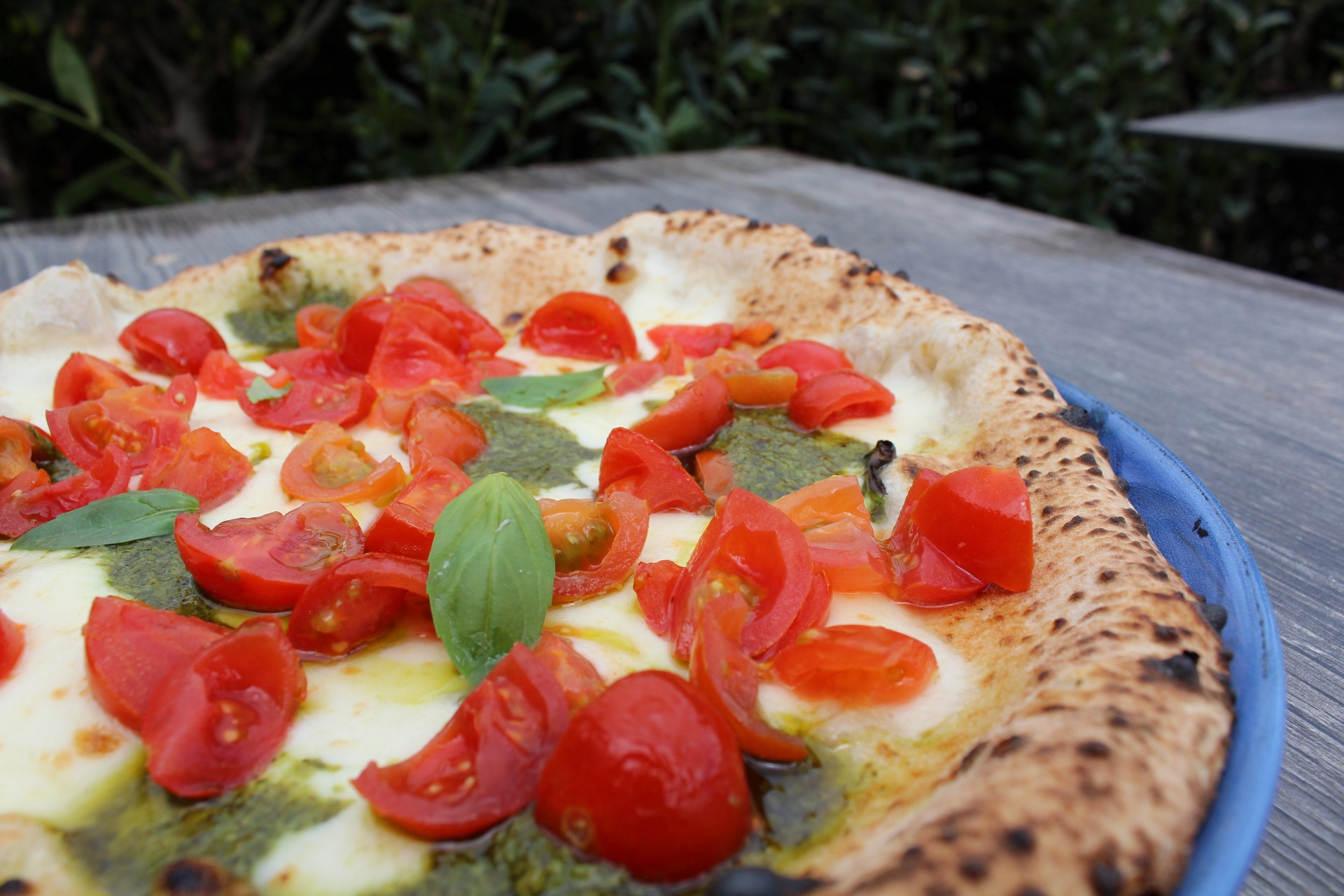
Seasonal Pizza in Siena: Where Simplicity Beats Gourmet
Tomatoes ripe at the right time, fresh basil, garden vegetables: the new frontier of pizza isn't extreme creativity, but true seasonality.
In recent years, the market has overemphasized the concept of creative pizza: excessive ingredients, unpronounceable names, extreme combinations, and increasingly elaborate constructions. Yet, a growing number of customers are returning to seek something much simpler: real, seasonal, recognizable ingredients.
In Siena, a city surrounded by one of Italy's richest agricultural areas, this approach makes even more sense. Tomatoes, vegetables, aromatic herbs, fresh dairy products: the raw material exists; you just need to use it at the right time.
What "Seasonal Pizza" Means
A seasonal pizza is not a "trendy" pizza. It means that the pizzaiolo:
- uses ingredients in their natural season (cherry tomatoes in summer, escarole and turnip greens in winter, pumpkin in autumn)
- avoids out-of-season products that come from greenhouses or thousands of kilometers away
- changes the menu two or three times a year following the garden's bounty
The result is a less "spectacular" pizza to photograph, but one that is much more vibrant in flavor.
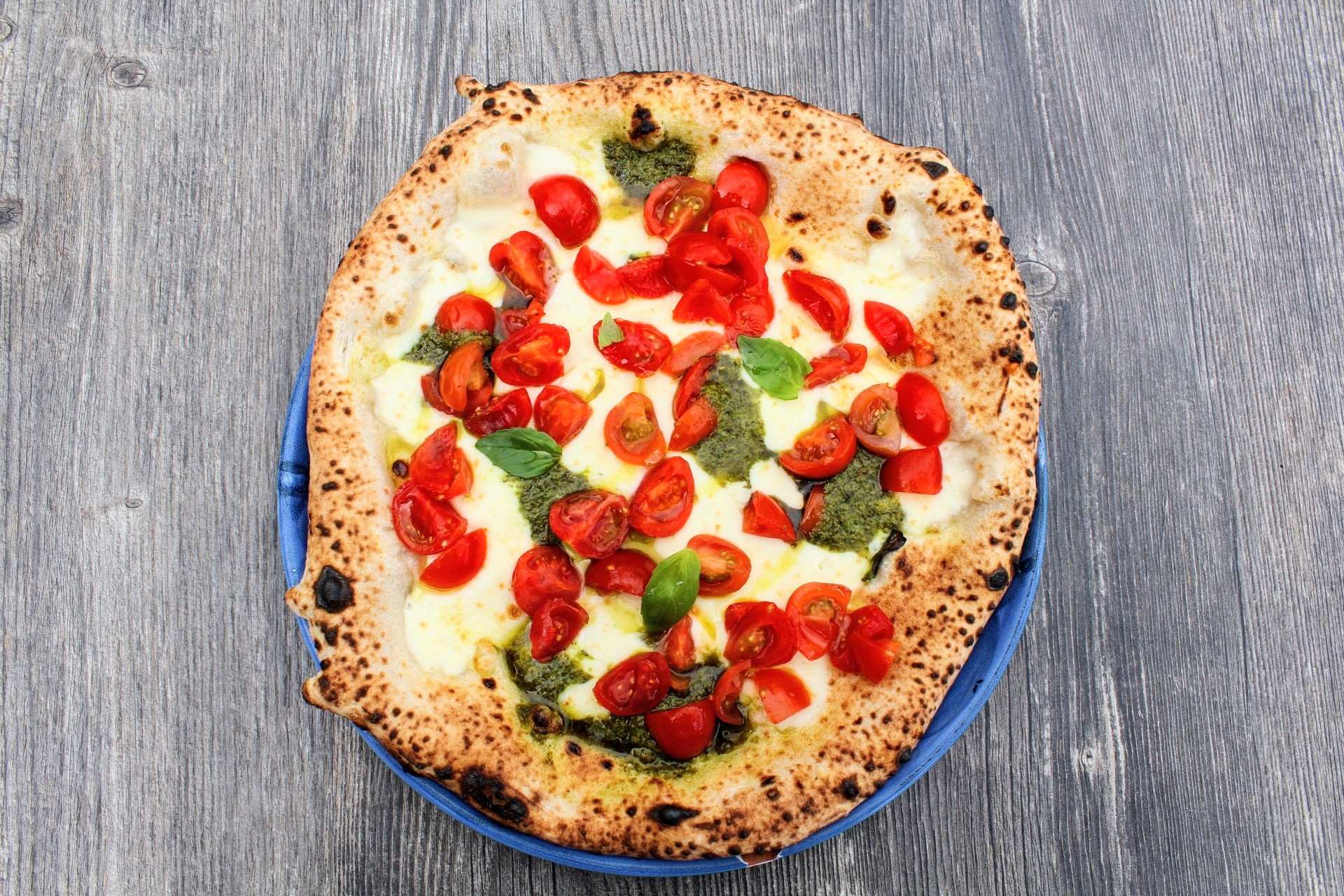
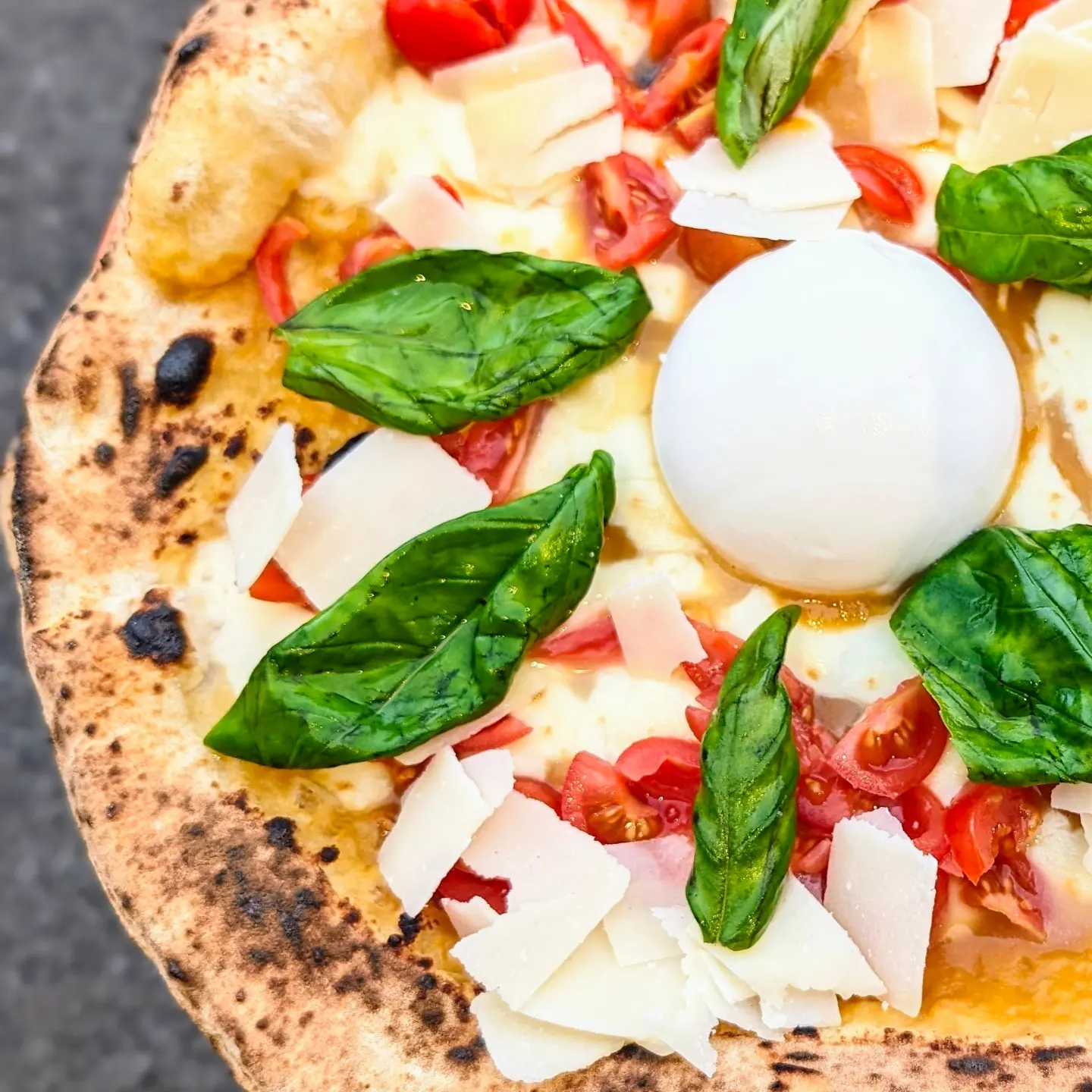
Summer: Cherry Tomatoes, Basil, Buffalo Mozzarella
In summer, the star product in Siena is the fresh cherry tomato — datterino or ciliegino — which reaches its peak sweetness in July and August. Paired with fiordilatte, basil, and a drizzle of extra virgin olive oil, it alone is enough to make a memorable pizza.
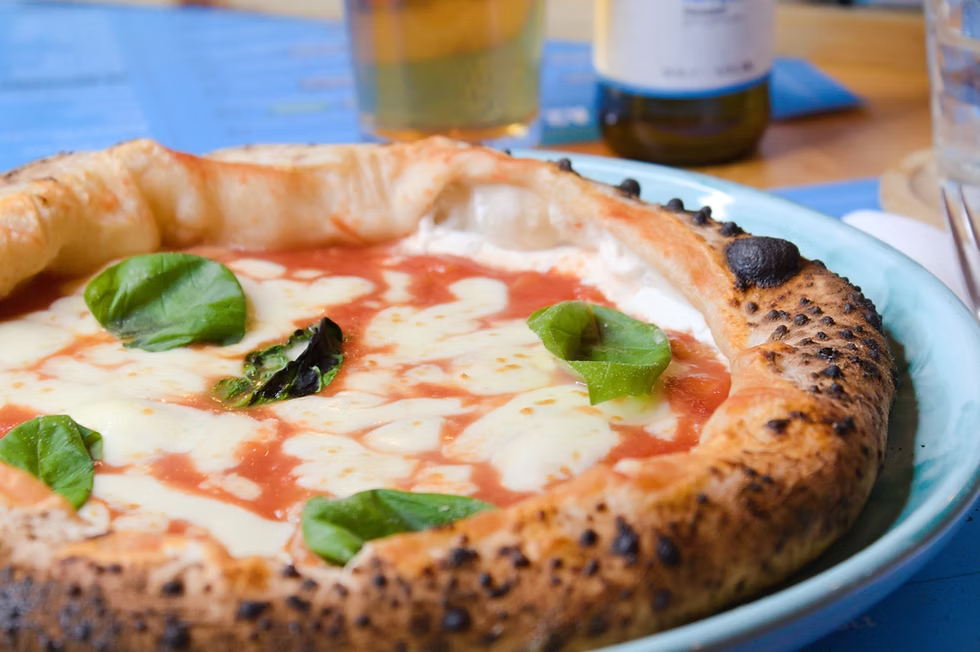
During this time of year, a pizza always worth ordering is the cherry tomato, pesto, and burrata or the classic Margherita di Bufala served on a well-matured Neapolitan dough.
Winter: Escarole, Olives, Friarielli
In winter, the pizza completely changes pace. Cooked vegetables, olives, Neapolitan friarielli, and Neapolitan escarole sautéed with garlic and chili pepper return. These are more "rustic" pizzas, filling and warming.
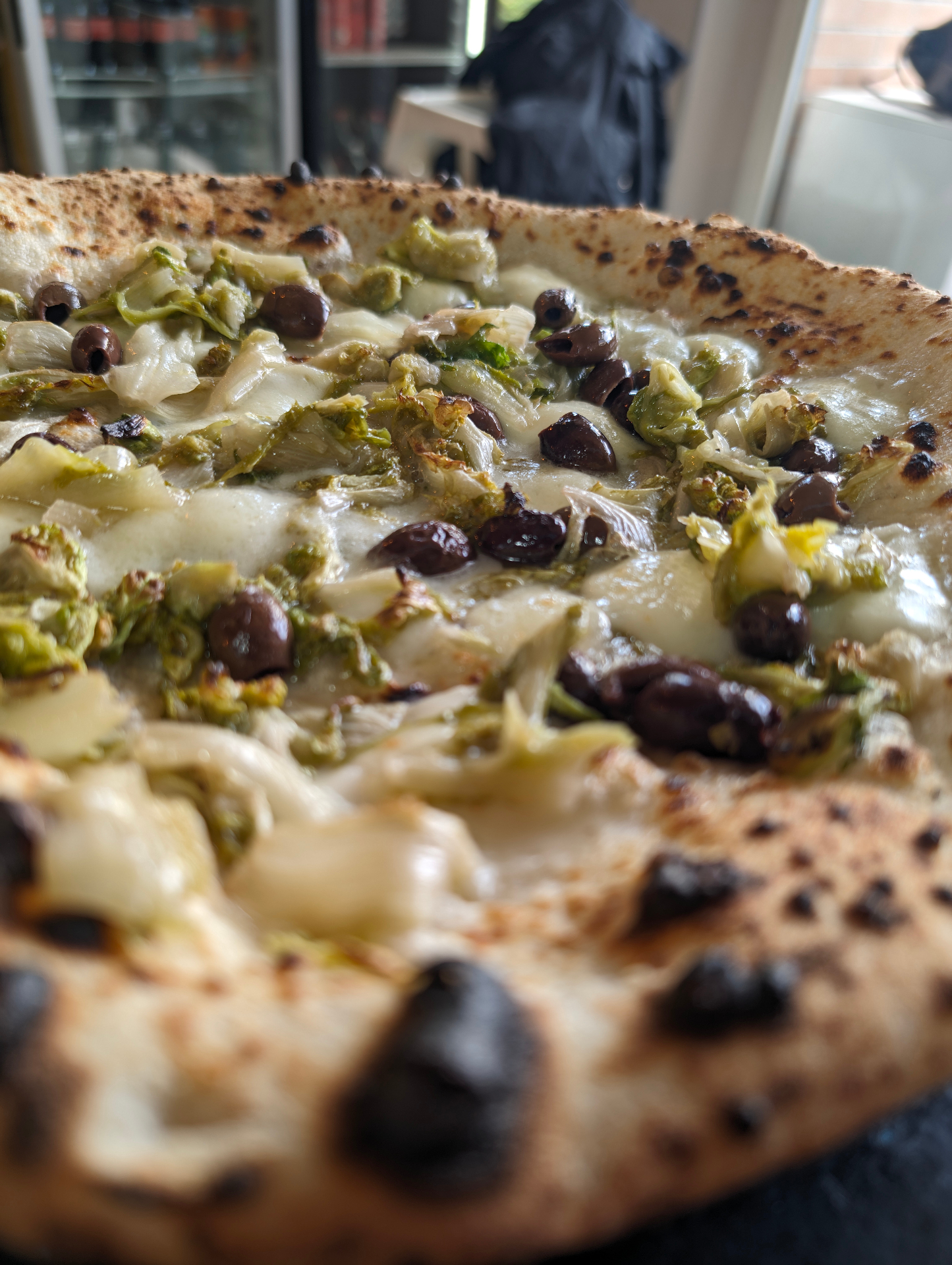
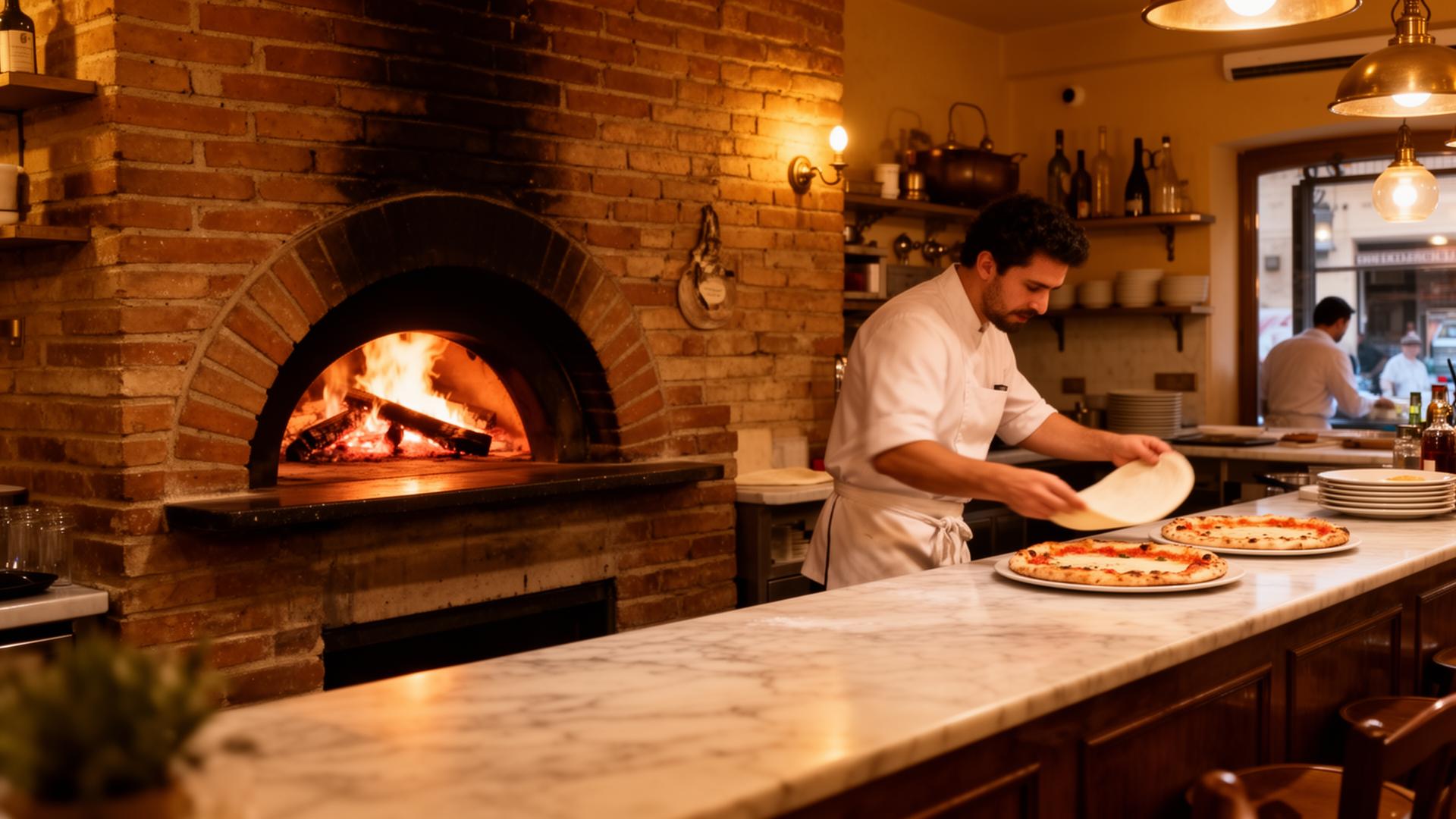
In Siena, this approach is found especially in Neapolitan-style pizzerias, where the use of escarole and friarielli is part of true tradition, not a marketing operation.
Where to Try It in Siena
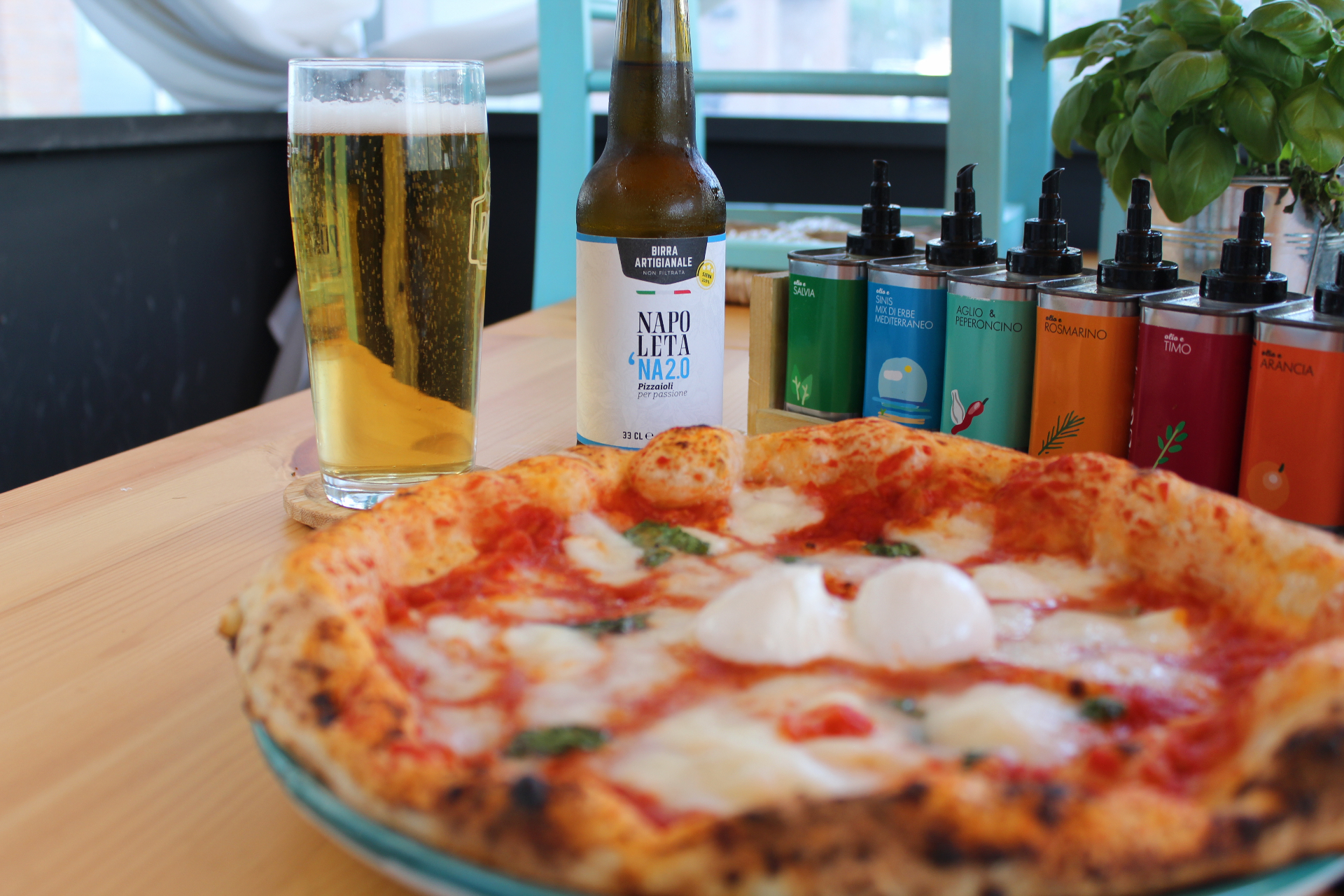
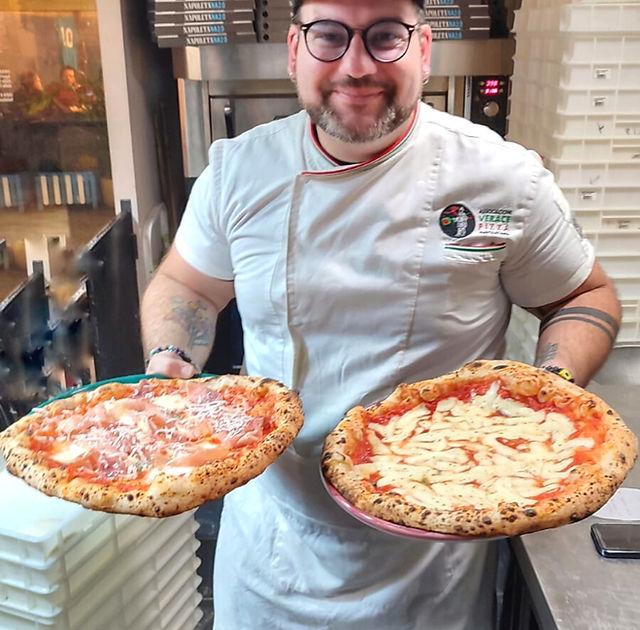
Among the establishments that consistently work with seasonality, [La Napoletana 2.0](/en/articolo/napoletana-2-0-pizza) on Viale Sardegna 37 is one of the most recognizable: it changes part of its menu according to the produce, and whenever possible, it also uses ingredients from its own garden. It has been featured multiple times in the 50 Top Pizza guide and maintains honest prices (12-16 € per pizza, full menu ~25 €).
For a broader discussion on the city's pizzerias, see our guide to the best pizzerias in Siena and the in-depth article on Neapolitan pizza in Siena.
Why Seasonality Matters More Than "Gourmet"
The flavor truly changes when ingredients are respected in their natural season. A July cherry tomato has nothing in common with one from January: it's a different product. And a pizza made with in-season ingredients, even if very simple in its composition, almost always beats a "creative" pizza built with ten out-of-context elements.
For those looking for pizza experiences with more substance than appearance, also read gourmet pizza in Siena: substance over style.
Social
Create a beautiful Instagram carousel
Generates a ZIP with visual, Instagram-first slides: big images, graphic summaries, and a ready-to-paste caption.
Keep reading
Browse by category →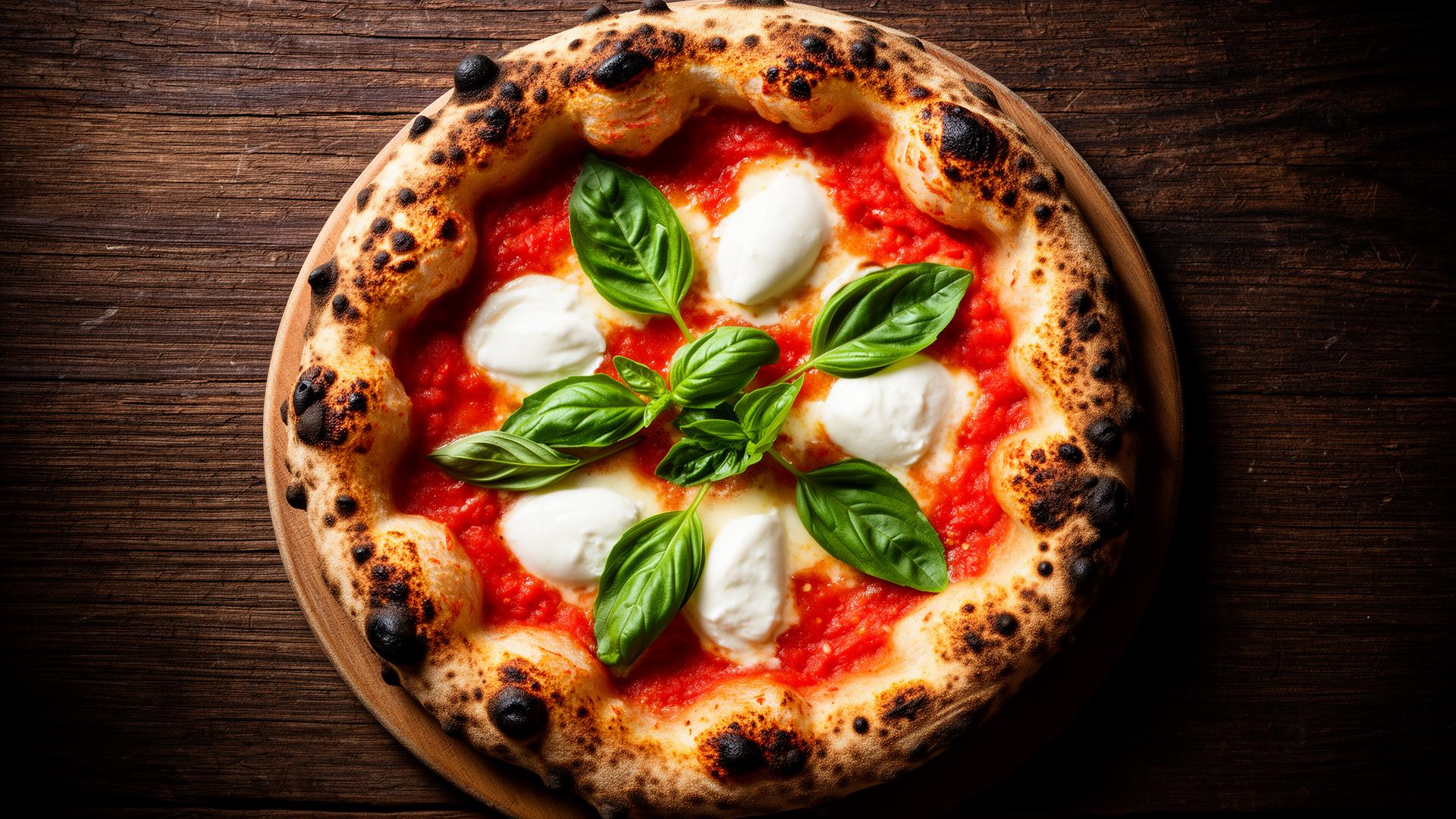
Pizzerias
Pizza in Siena: Questions, Answers and Addresses
Pizzerias
The Best Pizzerias in Siena for 2026: An Updated Guide
Pizzerias
Neapolitan Pizza in Siena: Where to Eat True STG
Pizzerias
Takeaway Pizza in Siena: Where to Order the Best
Pizzerias
La Napoletana 2.0: in Siena, there’s a neighborhood pizzeria where it feels like being in Naples
Pizzerias