Pecorino Cheese in Siena: A Tasting Guide for Food Travelers
The ultimate guide to pecorino Toscano — where to taste it, how to buy it, and why this sheep cheese defines the flavor of Siena.
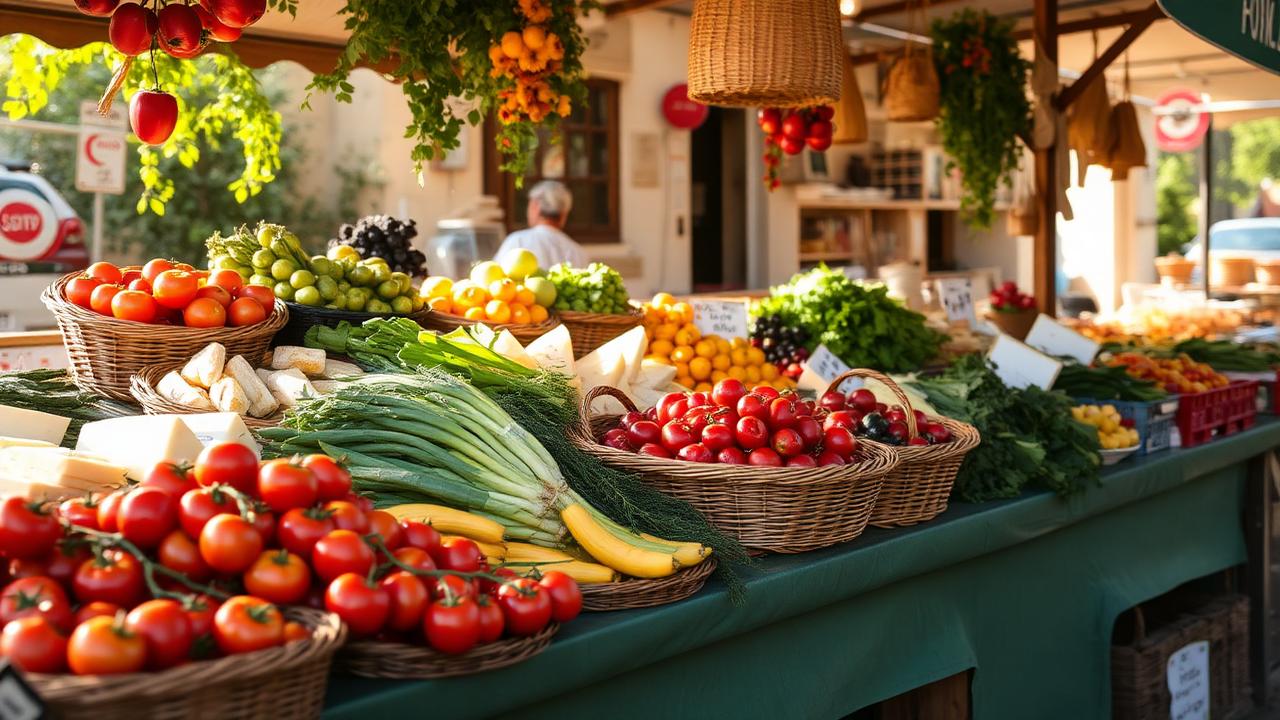
Pecorino is not just a cheese in Siena. It is a food group. The city sits in the heart of Tuscany’s sheep-rearing country, and pecorino Toscano DOP appears on every menu, in every market, and in nearly every kitchen. For food travelers, understanding pecorino is as important as knowing your Chianti vintages.
What Is Pecorino Toscano?
Pecorino means "sheep cheese" (from pecora, sheep). Tuscan pecorino is made from raw ewe’s milk, aged anywhere from 20 days to over a year. The flavor range is enormous: fresh pecorino is mild, creamy, and almost yogurt-like, while aged stagionato is sharp, crystalline, and complex.
The DOP (Protected Designation of Origin) rules require production in Tuscany, Lazio, or Umbria using local sheep breeds. Sienese pecorino tends to be firmer and saltier than the Lazio version, with a distinct wild herb note from the pasture.
The Aging Styles
Fresco (fresh): 20 to 30 days. Soft, milky, perfect with honey or pears. Eat it, do not cook it.
Semistagionato: 2 to 4 months. Firm but still moist. Grates well over pasta but is also good on a cheese board.
Stagionato: 6 to 12 months. Hard, granular, sharp. The Sienese version develops a black pepper rind in some cases. Best eaten in thin shavings with aged balsamic.
Riserva: 12+ months. Intense, almost Parmigiano-like in texture. Rare and expensive.
Where to Taste in Siena
Antica Salumeria — Via Banchi di Sopra 71 The best selection in the city. The owner, Alessandro, cuts samples without pressure to buy. Ask for the pecorino with walnut honey — a Sienese classic pairing.
Mercato del Campo (Wednesday) — Piazza del Campo A Pienza-based vendor sells vacuum-packed pecorino at prices 20 percent lower than the shops. Taste before you buy.
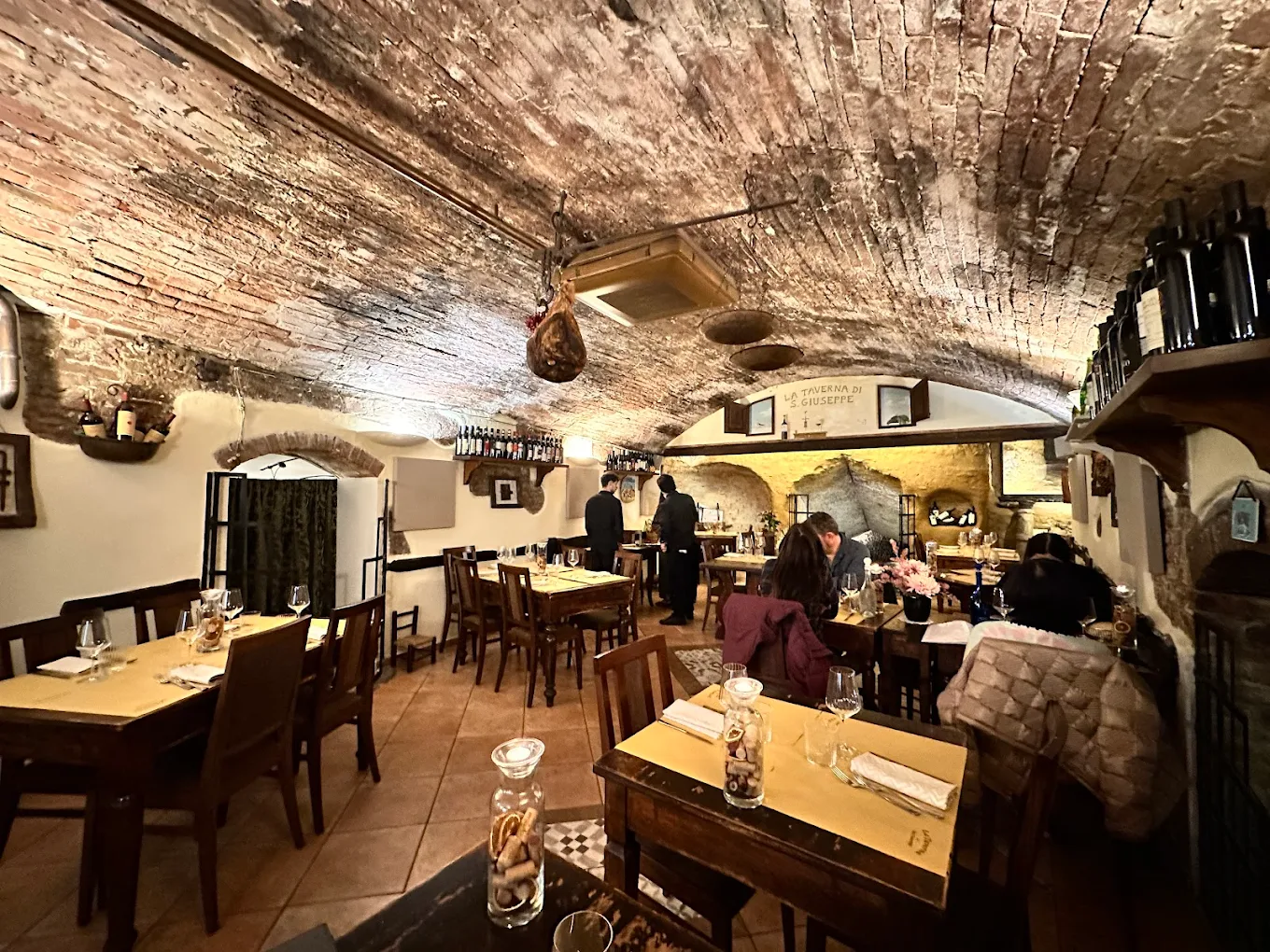
La Taverna di San Giuseppe — Via Giovanni Dupre 132 Michelin-starred restaurant that uses aged pecorino in inventive ways — grated over risotto, shaved over beef carpaccio, or melted into fondue.
How to Eat It Like a Local
- With honey: Any dark, thick honey works. Chestnut honey is traditional.
- With marmalade: Fig or pear preserves cut the saltiness.
- With wine: Chianti Classico for aged pecorino; Vernaccia di San Gimignano for fresh.
- On its own: Room temperature. Never cold from the fridge.
Buying Pecorino to Bring Home
Vacuum-packed pecorino stagionato travels well and lasts two to three months unrefrigerated if sealed. Most salumerias will vacuum-pack for free. Declare it at customs if asked — it is legal to bring into the US and UK, but honesty speeds the process.
Our advice: Start with fresh pecorino at breakfast with honey. Move to semistagionato with lunch pasta. Finish with aged pecorino and a glass of Chianti at dinner. By the end of the day, you will understand why Tuscans say pecorino is not an ingredient — it is a philosophy.
Social
Create a beautiful Instagram carousel
Generates a ZIP with visual, Instagram-first slides: big images, graphic summaries, and a ready-to-paste caption.
Keep reading
Browse by category →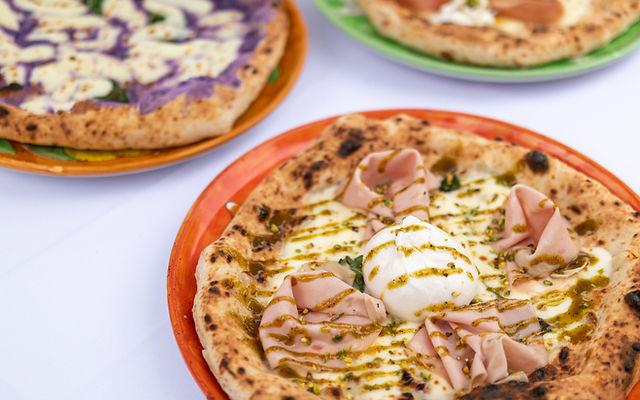
Restaurants
Restaurants in Siena: when to choose a pizzeria instead of the usual restaurant
Restaurants
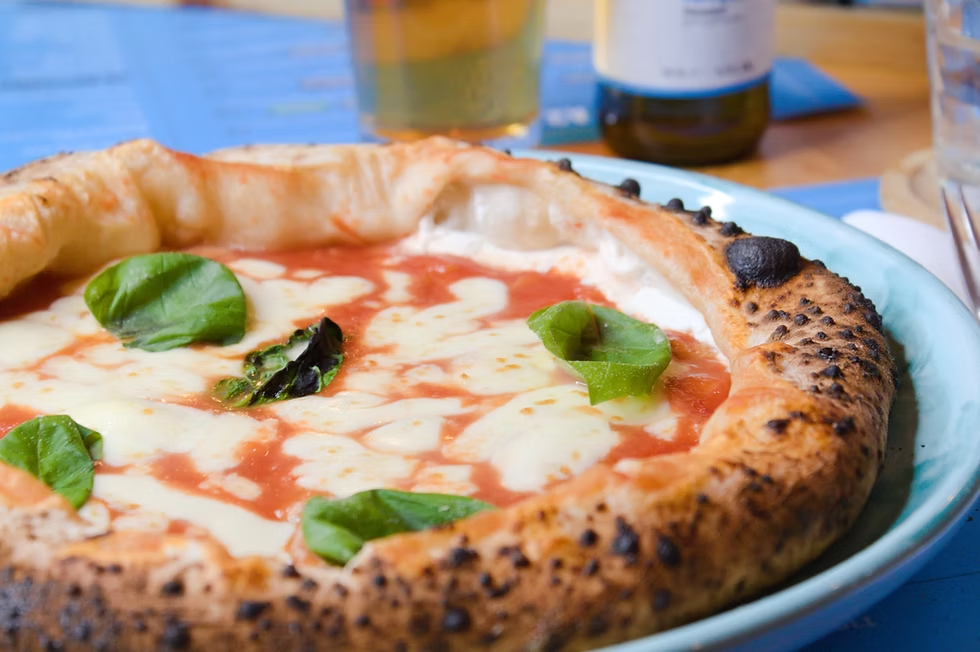
Where to Eat in Siena for €20 a Person? A Pizzeria Outside the Center That's Drawing a Crowd
Restaurants
La Taverna di San Giuseppe in Siena: Tuscan Cuisine in the Heart of the City
Restaurants
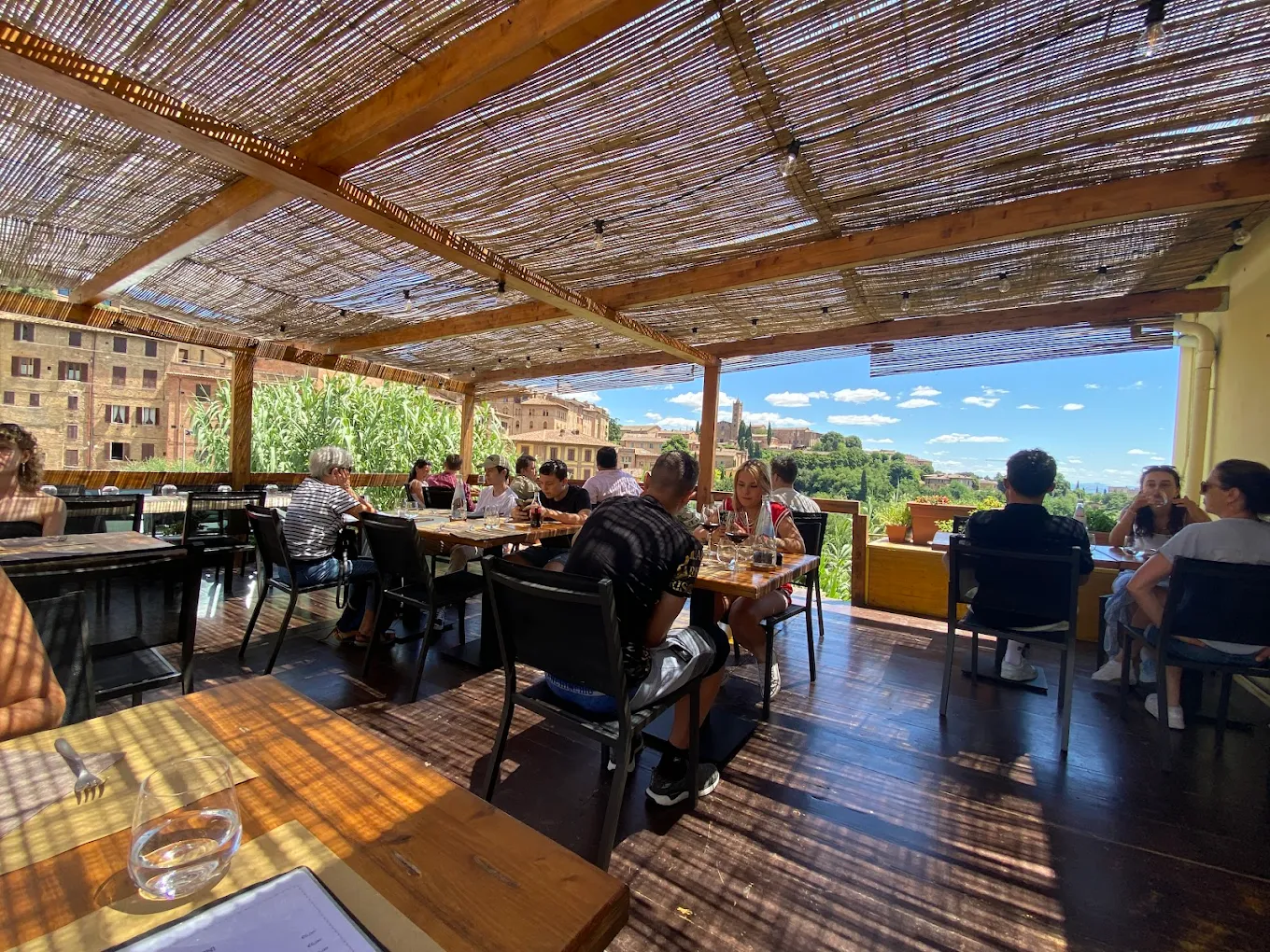
Locanda dell'Oste in Siena: Tuscan cuisine, hill views, and quality meats
Restaurants
Osteria La Sosta di Violante: one of Siena's most loved osterias
Restaurants