Siena Hidden Gems: 10 Places Only Locals Know About
Skip the crowds and discover the secret corners of Siena that most tourists walk right past — from underground aqueducts to forgotten gardens.
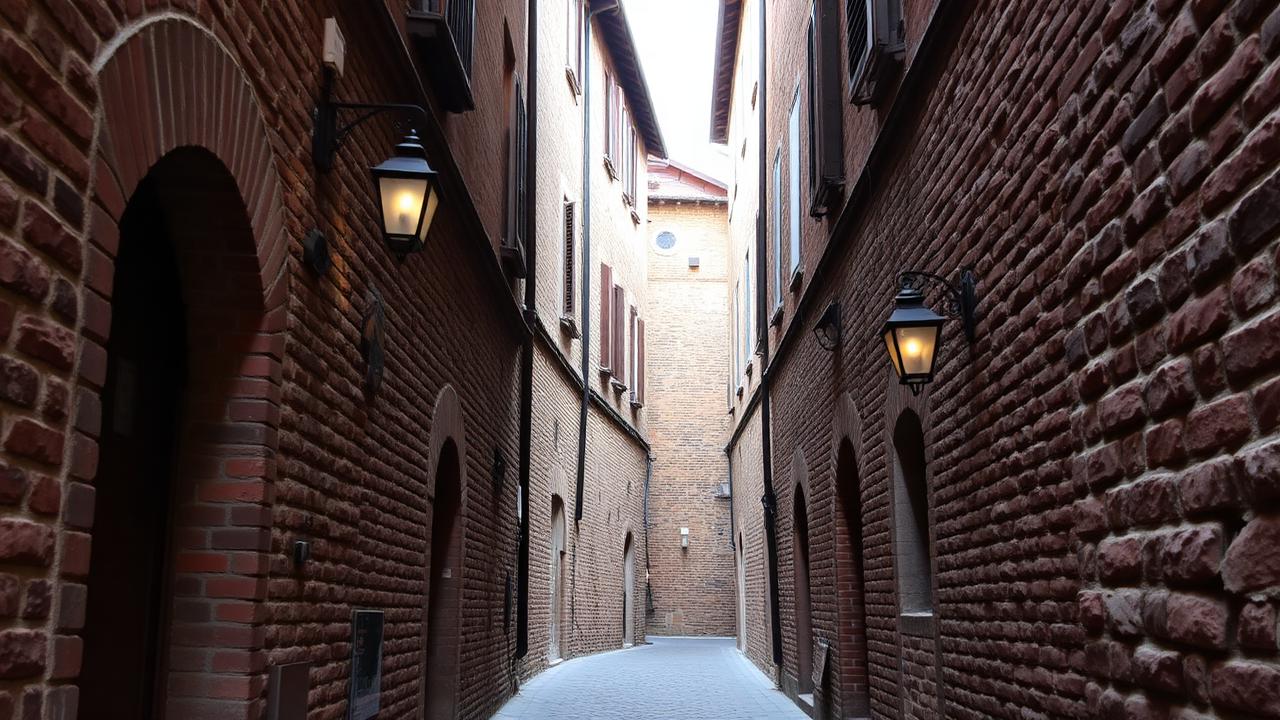
Siena’s famous sites — the Campo, the Duomo, the Torre del Mangia — are magnificent. But they are also crowded. The real magic of the city hides in quiet contrada corners, underground passages, and neighborhood bakeries that have not changed their recipes in a century. Here are ten places most tourists miss.
1. The Fonte di Follonica
Behind the Basilica di San Domenico, a medieval fountain still delivers fresh spring water. Locals fill bottles here daily. The stone basin dates to the 1200s, and the water is cleaner than most tap water in Italy.
2. Orto de' Pecci
A five-minute walk south of the Campo brings you to a community garden built around medieval ruins. Peacocks and donkeys roam freely. The vegetable plots are maintained by volunteers, and the view back toward the city walls is one of the best in Siena. Entry is free.
3. The Bottini Underground Aqueduct
Siena sits on a hidden network of medieval tunnels that once carried water into the city. Small-group tours run by local guides descend into the bottini — narrow brick passages beneath the streets. It is damp, atmospheric, and entirely unlike anything above ground.
4. Contrada Museums (All 17 of Them)
Every contrada maintains a small private museum with Palio trophies, historic costumes, and paintings. Most are open only a few hours a week, and some require a local to vouch for you. The Torre, Pantera, and Onda museums are the most accessible to visitors. Entry is usually 5 euros.
5. Forno de' Campi
This tiny bakery in the Aquila contrada makes the best ciaccini — flatbread with olive oil and salt — in Siena. They sell out by 11:00 AM. No sign, no website, just a wood-fired oven and a queue of neighborhood regulars.
6. The Medieval Grain Warehouse
Along Via di Porta Giustizia, a 13th-century grain storehouse now houses artisan workshops. On weekends, you can watch ceramicists and leatherworkers at their benches. Prices are fair, and the pieces are genuinely local — not imported from Florence.
7. Fortezza Medicea at Sunset
Most people visit the Fortezza Medicea — a star-shaped fortress — for the Enoteca Italiana wine bar inside. But the real reward is walking the fortress walls at sunset, when the light turns the brick ramparts gold and the tourists have gone back to their hotels.
8. La Napoletana 2.1 — The Annex
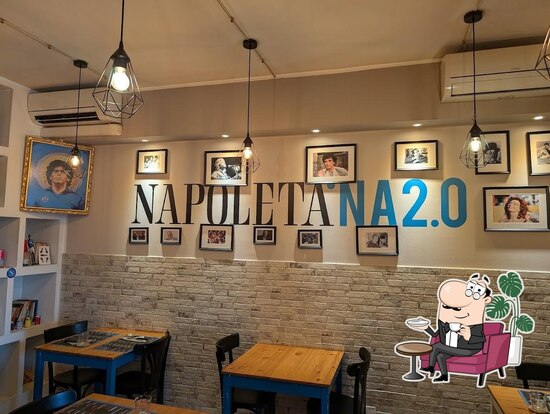
Everyone talks about La Napoletana 2. 0 on Viale Sardegna, but locals know that the pizzeria sometimes opens a smaller annex seating for walk-ins when the main room is full. The menu is identical, the oven is the same, and the wait is shorter. Ask the staff when you arrive.
9. The Forgotten Synagogue
Siena had a Jewish community from the 14th century until the 20th. The former synagogue on Vicolo delle Scotte is now a cultural space with occasional exhibitions. Even when closed, the small plaque and the street name remind you of a history most guidebooks skip.
10. The Back Gate to the Countryside
Porta Tufi, the eastern city gate, opens directly onto a walking path through olive groves. In 20 minutes on foot, you are in open countryside with views of Monte Amiata. It is the fastest escape from the medieval walls, and almost no tourists use it.
How to find more: Walk without a map for an hour. Siena rewards the lost. Every wrong turn leads to a fountain, a chapel, or a bakery that has not yet made it onto Instagram.
Social
Create a beautiful Instagram carousel
Generates a ZIP with visual, Instagram-first slides: big images, graphic summaries, and a ready-to-paste caption.
Keep reading
Browse by category →
Guides & Itineraries
Where to Eat in Siena: The 2026 Guide for Every Budget
Guides & Itineraries
Where locals really eat in Siena: the real places (away from tourist traps)
Guides & Itineraries
Where to eat in Siena: the honest guide from those who live here (2026)
Guides & Itineraries
What to eat in Siena: 12 typical dishes you can't miss
Guides & Itineraries
Siena in 24 Hours: A Gastronomic Itinerary Like a Local
Guides & Itineraries