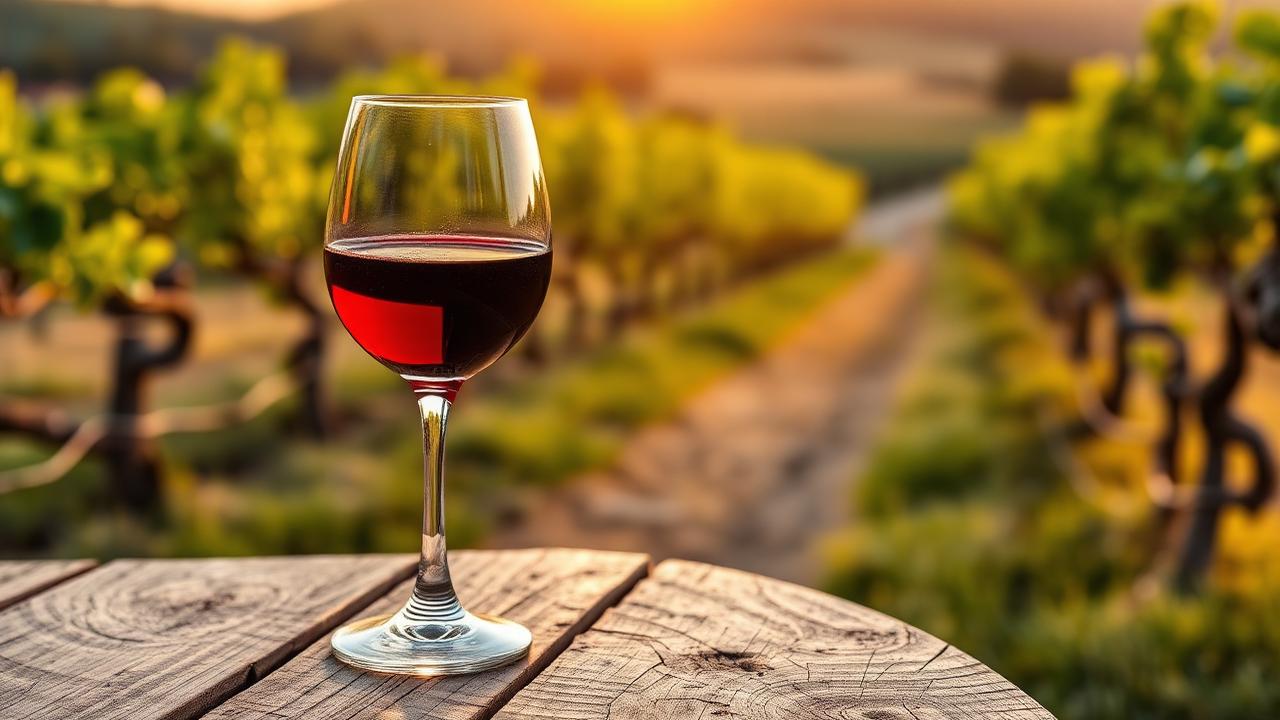
Cantucci and Vin Santo: How to Eat Them Properly (Tuscan Way)
Dieser Artikel ist in dieser Sprache noch nicht verfügbar.
Yes, you dip. No, you don't drink the Vin Santo like wine. A 90-second guide to the most misunderstood Tuscan dessert.
# Cantucci and Vin Santo: How to Eat Them
You've finished dinner in a Siena trattoria. The waiter brings a small glass of golden wine and a plate of hard almond biscuits. He smiles. You hesitate. Here's exactly what to do.
The 30-second answer
1. Pick up a cantuccio (the almond biscuit). 2. Dip it into the Vin Santo — submerge half, count one second, lift. 3. Eat the wet half. The biscuit softens and absorbs the wine. 4. Sip the remaining Vin Santo between bites. 5. Repeat until both are gone.
That's it. There's no ceremony. Tuscans do this every Sunday.
What is Vin Santo, really?
Vin Santo ("holy wine") is a dessert wine made from dried grapes — typically Trebbiano and Malvasia. The grapes are hung in attics for months, concentrating sugars, then pressed and aged in small barrels (caratelli) for 3–10 years. The result: amber color, notes of honey, dried apricot, walnut, caramel.
It's sweet but not cloying. Alcohol is usually 14–17%.
What are cantucci?
Cantucci (also called *cantuccini* or *biscotti di Prato*) are twice-baked almond biscuits. Hard, dry, crunchy — designed specifically to be dipped without falling apart. The almonds inside are whole, not chopped.
If they're soft, they're not cantucci. They're cookies.
When you'll be served them
- End of dinner in any traditional Tuscan trattoria, usually included with the bill or for €4–6
- At home, after Sunday lunch with family
- At weddings, holidays, and birthdays — universally
- Never as an aperitivo — it's strictly dessert
Common mistakes tourists make
Drinking the Vin Santo first like a regular wine. You can — but you'll have nothing to dip with. The whole point is the pairing.
Holding the biscuit in the wine too long. Two seconds max. Otherwise it disintegrates and you have biscuit soup.
Refusing the offer because "it's too sweet." Vin Santo is sweet, but the dry almond biscuit balances it. Try one bite before deciding.
Asking for it before dessert. This isn't a digestif you order separately — it *is* dessert in Tuscany.
What good Vin Santo costs
A small glass (50ml) at a restaurant: €4–8. A 375ml bottle to take home: €15–40 for honest producers, €60+ for top estates aged 8–10 years. Avoid bottles under €10 — they're industrial and often not real Vin Santo.
Where to try it in Siena
Almost every traditional trattoria in Siena serves it. Some highlights:
- [Osteria Il Carroccio](/en/articolo/il-carroccio-siena-review) — Via Casato di Sotto 32. Classic preparation, served with the bill on request.
- [Antica Trattoria Papei](/en/articolo/antica-trattoria-papei-siena-review) — Piazza del Mercato. Tourist-heavy but the Vin Santo is genuine.
- Any wine bar in the Siena wine bars guide.
For a deeper dive into Tuscan wines, see our Siena wine guide.
FAQ
Is Vin Santo a digestif? Sort of. It's served at the end of the meal, but it functions more like dessert wine than grappa. Italians usually have it *with* cantucci, not after.
Can I drink Vin Santo without cantucci? Yes — and many Tuscans do, especially with aged cheese or dried figs. But the cantucci pairing is the iconic combination.
Is it the same as Sherry or Port? No. Vin Santo is made from dried grapes (passito method), not fortified with spirit. The flavor profile is closer to amontillado sherry but lighter.
Is Vin Santo gluten-free? Yes. Cantucci, however, contain wheat — ask for gluten-free almond biscuits if you're celiac. Some Siena pasticcerie now make them.
How long does an opened bottle last? Refrigerated, 2–3 weeks easily. It's stable thanks to the high sugar and alcohol.
---
Found this useful? Share it with someone heading to Tuscany.
Social
Create a beautiful Instagram carousel
Generates a ZIP with visual, Instagram-first slides: big images, graphic summaries, and a ready-to-paste caption.
Weiterlesen
Nach Kategorie stöbern →
Guides & Routen
Wo man in Siena essen kann: Der Guide 2026 für jedes Budget
Guides & Routen
Dove mangiano davvero i senesi: i posti veri di Siena (lontano dalle trappole per turisti)
Guides & Routen
Essen in Siena: Der ehrliche Guide von Einheimischen (2026)
Guides & Routen
Was man in Siena essen sollte: 12 typische Gerichte, die man nicht verpassen darf
Guides & Routen
Siena in 24 Stunden: Kulinarischer Reiseplan wie ein Einheimischer

Guides & Routen