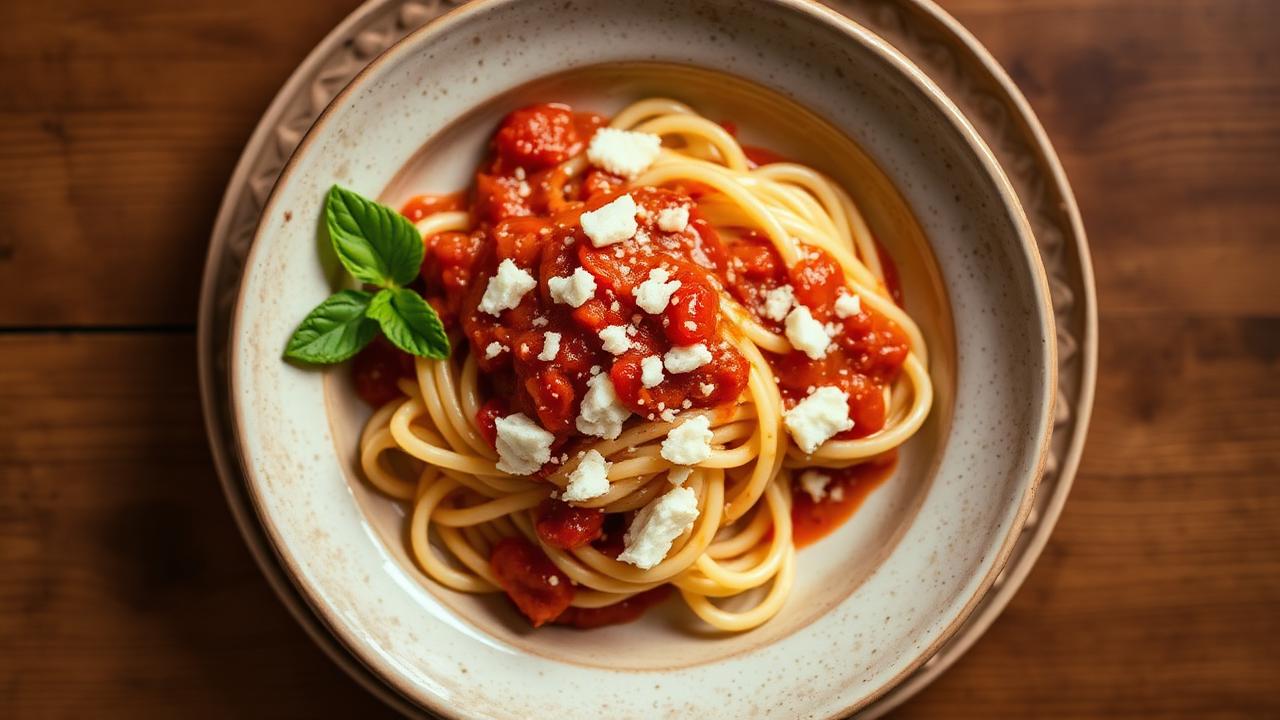
Ribollita, Pappa al Pomodoro & More: A Seasonal Soup Guide to Siena
Este artículo aún no está disponible en este idioma.
Tuscan soup is not just ribollita. Discover the seasonal soups of Siena, when to eat them, and where to find the best bowls in the city.
Tuscan cuisine is built on bread and vegetables, and nowhere is that clearer than in its soups. These are not delicate consommés — they are thick, rustic, intensely flavored bowls designed to fill you up on a budget. For travelers visiting Siena, understanding the soup calendar is a shortcut to eating seasonally and authentically.
Ribollita: The King
A vegetable soup of cavolo nero (black kale), white beans, carrot, celery, and leftover bread, reheated ("ribollita" means "reboiled") until the bread dissolves into a porridge-like consistency. It is a leftover dish elevated to art.
When to eat it: October through March. Good ribollita is impossible in summer because the kale is not right.
Where: Osteria Le Logge, Via del Porrione 33. Their version is meat-free, intensely garlicky, and served in a terracotta bowl with a drizzle of new olive oil.
Pappa al Pomodoro: Summer in a Bowl
Tuscan tomato and bread soup. Fresh tomatoes, basil, garlic, and day-old bread simmered until thick enough to eat with a fork. It is essentially a pantry dish that captures the height of tomato season.
When to eat it: July through September, when tomatoes are ripe.
Where: Trattoria La Torre, Via Salicotto 17. Their version includes a poached egg on top — non-traditional but delicious.
Acquacotta: The Maremma Transplant
Originally from the marshy Maremma coast south of Siena, acquacotta translates as "cooked water." It is a vegetable broth with onion, celery, tomato, and chili, poured over stale bread and topped with a poached egg and pecorino. In Siena, it often includes porcini mushrooms in autumn.
When to eat it: Year-round, but best in autumn with fresh mushrooms.
Where: Trattoria Papei, Piazza del Mercato 6. A local institution with no menu — the owner tells you what is available.
Farro Soup: Ancient Grain Comfort
Farro — emmer wheat — was the staple grain of the Etruscans. The soup combines farro with beans, vegetables, and sometimes pancetta. It is nutty, chewy, and deeply satisfying.
When to eat it: Autumn and winter.
Where: Osteria degli Sviati, Via Rosselli 28. They source their farro from a farm in the Crete Senesi.
Zuppa di Fagioli: Bean Soup Simplicity
White cannellini beans, olive oil, sage, and garlic. That is it. The quality of the olive oil determines the quality of the soup.
When to eat it: Year-round. A winter staple but light enough for cooler summer evenings.
Where: Any honest trattoria. If the menu says "zuppa di fagioli del giorno," order it.
The Bread Rule
Tuscan bread is unsalted — a tradition dating to a medieval tax dispute. In soup, this is an advantage: the bread absorbs flavor without adding saltiness. Never ask for salt at the table. It is an insult to the kitchen.
Our recommendation: If you visit Siena in autumn, eat ribollita every day from a different trattoria. By day three, you will have a ranking. By day five, you will be planning your return around the next bowl.
Social
Create a beautiful Instagram carousel
Generates a ZIP with visual, Instagram-first slides: big images, graphic summaries, and a ready-to-paste caption.
Seguir leyendo
Explorar por categoría →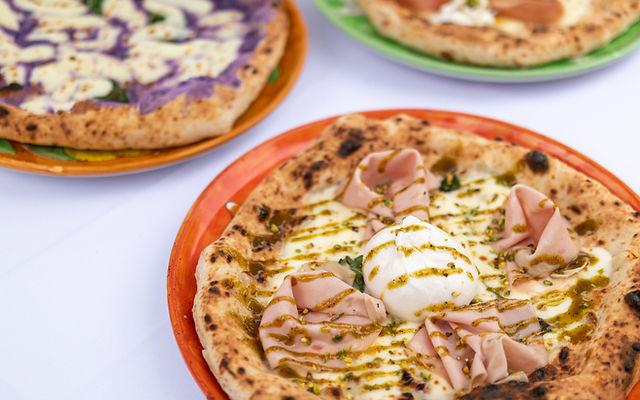
Restaurantes
Restaurantes en Siena: cuándo elegir una pizzería en lugar del restaurante habitual
Restaurantes
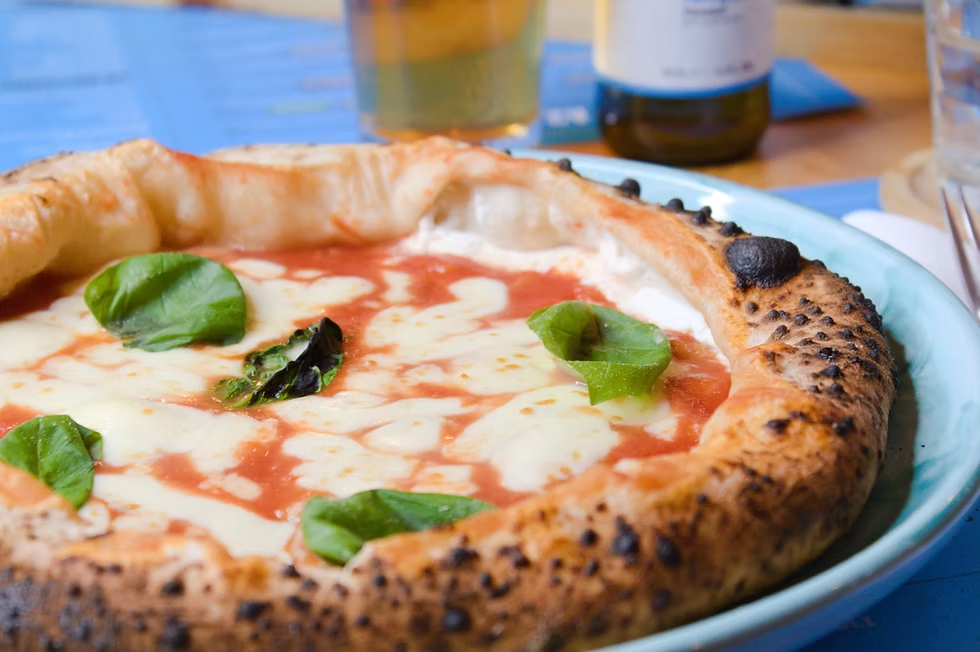
¿Dónde comer en Siena por 20 euros por persona? Una pizzería fuera del centro que atrae cada vez a más clientes
Restaurantes
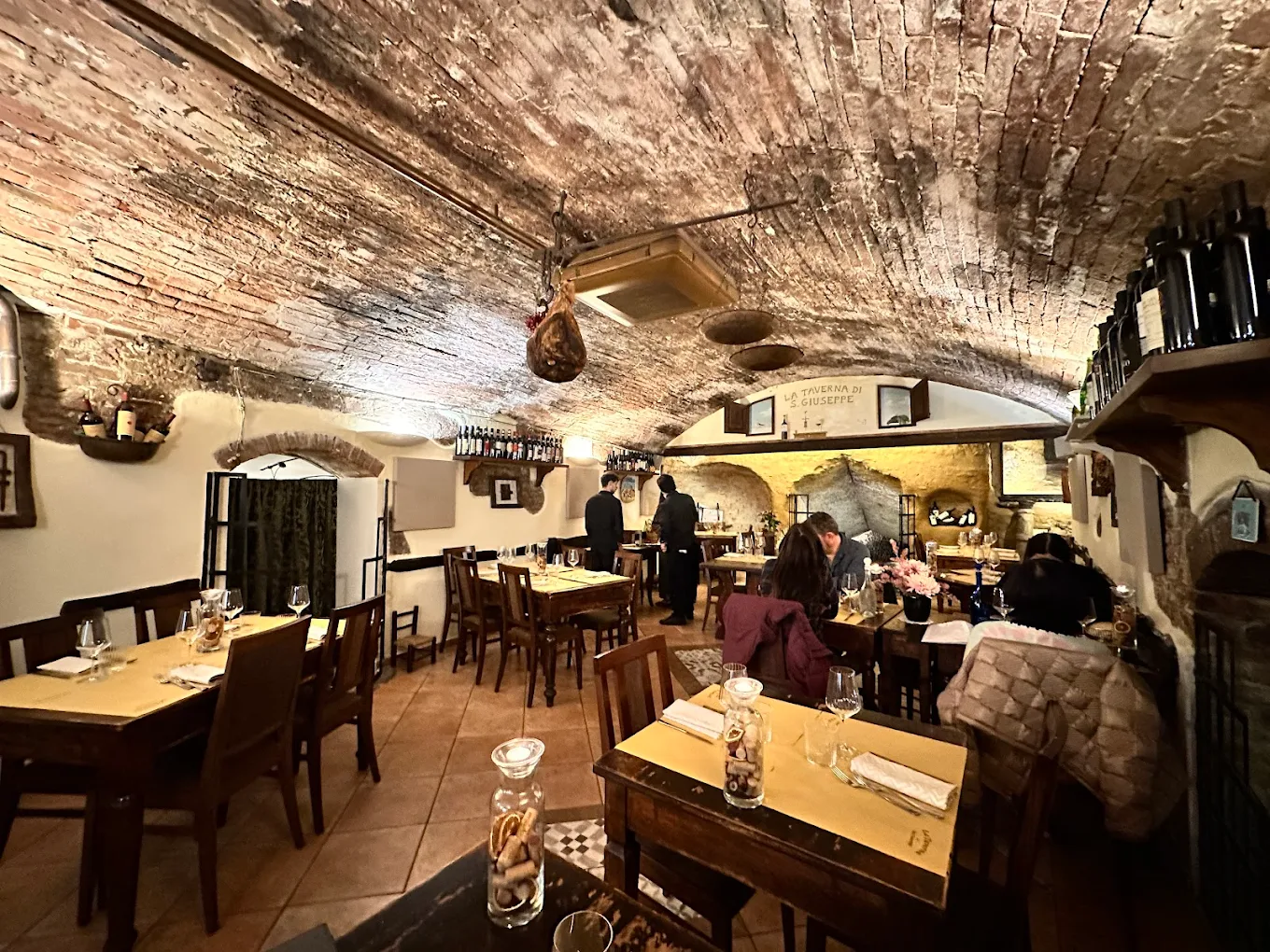
La Taverna di San Giuseppe en Siena: cocina toscana en el corazón de la ciudad
Restaurantes
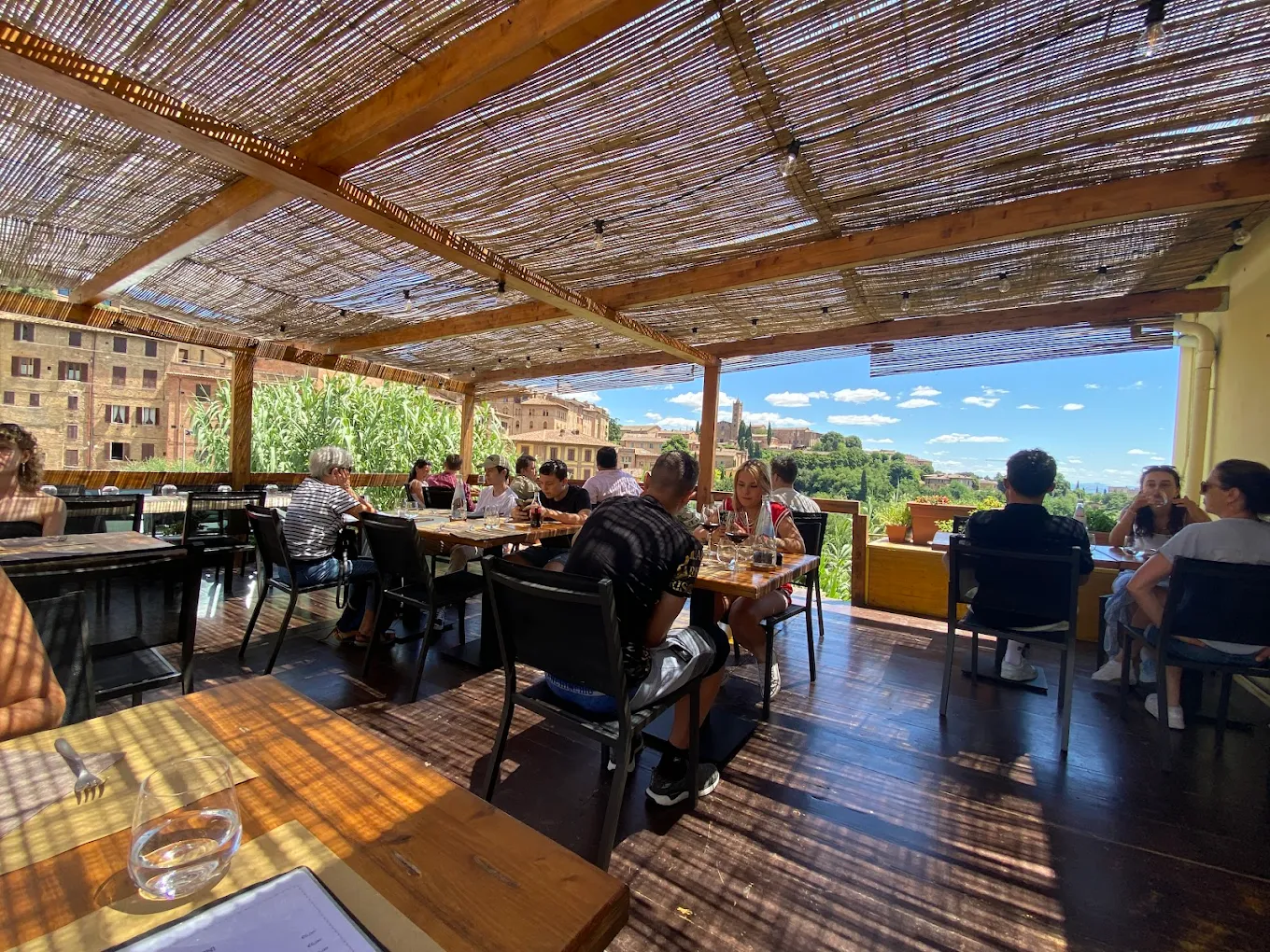
Locanda dell'Oste en Siena: cocina toscana, vistas a las colinas y carnes de calidad
Restaurantes
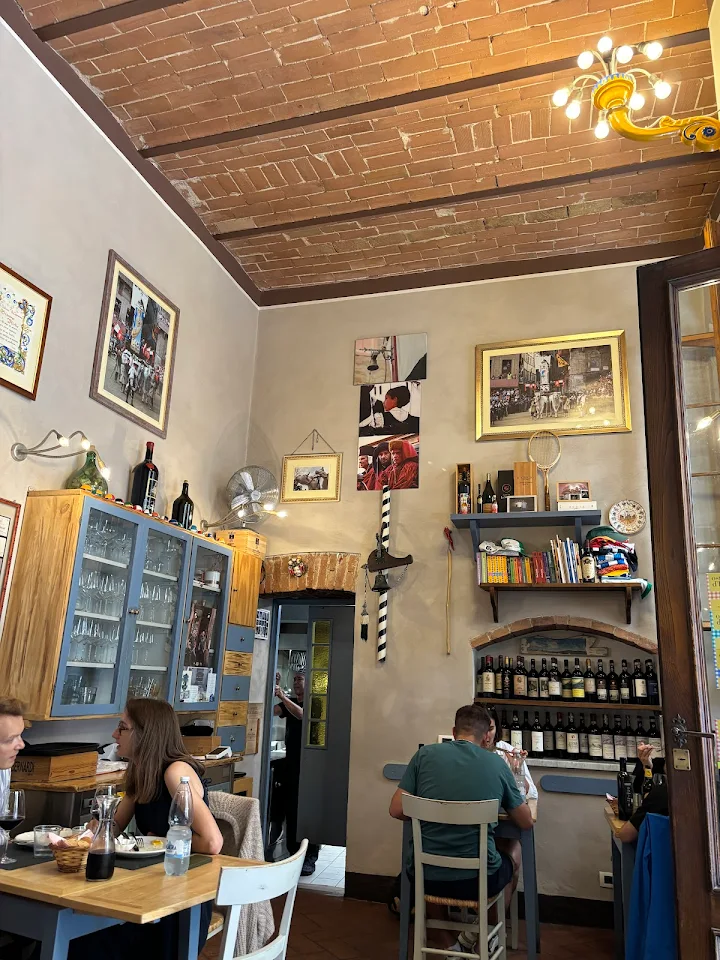
Osteria La Sosta di Violante: una de las tabernas más queridas de Siena
Restaurantes