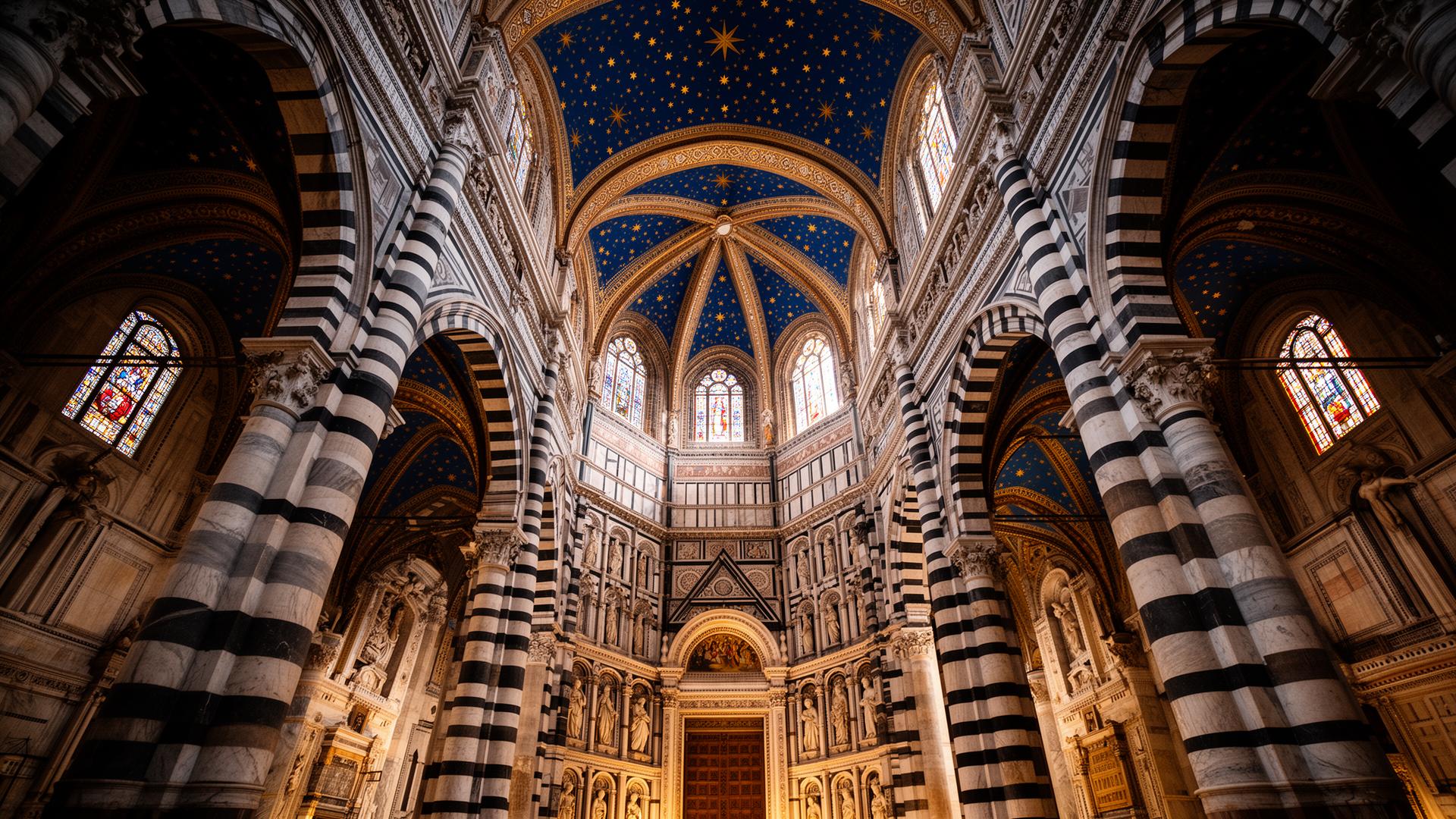
Etruscan Siena: Museums and Sites That Predate the Romans
Before the medieval towers, the Etruscans ruled this land. Discover the ancient civilization that shaped Tuscany at these overlooked museums and archaeological sites.
Most visitors come to Siena for the Gothic palazzi and the Palio. But the city and its surrounding hills were Etruscan territory for centuries before Rome existed. The Etruscans built the first settlements, carved the first roads, and established the wine culture that defines Tuscany today. Here is where to find their legacy.
Museo Archeologico di Siena
Housed in a 14th-century hospital near the Duomo, this small museum holds one of the best Etruscan collections in central Italy. Highlights include: - The Chigi Vase fragments — painted ceramics from the 6th century BC showing mythological scenes - Etruscan jewelry — gold filigree rings and amber necklaces from tombs near Castelnuovo Berardenga - The Poggio Civitate collection — terracotta statues from a noble estate near Murlo, including the famous "Cowboy" figure in a wide-brimmed hat
Entry is 6 euros. The museum is rarely crowded. English signage is limited, so download the museum app or hire a guide.
The Etruscan Tombs at Murlo
A 30-minute drive south of Siena, the hamlet of Murlo sits atop an Etruscan settlement excavated in the 1960s. The Poggio Civitate site yielded a palace complex with terracotta decoration that revolutionized understanding of Etruscan art. The finds are split between the local museum in Murlo and the Archaeological Museum in Siena.
How to visit: You need a car. Combine it with lunch at a nearby agriturismo. The site itself is an active excavation; you cannot enter the trenches, but the viewing platform and the museum are open.
The Sienese Chianti Etruscan Trail
Between Castellina in Chianti and Radda, a network of hiking paths connects Etruscan tomb sites, wine cellars built into ancient cave systems, and abandoned fortifications. The Via Cassia — the Roman road that followed an even older Etruscan route — passes within sight of Siena’s walls.
Siena’s Etruscan Name
The name "Siena" may derive from the Etruscan family name "Saina" or from the Latin "Senones," a Gallic tribe. The Etruscan settlement here was called Saena, and it was a religious center long before it became a medieval banking power.
Why It Matters
Understanding the Etruscan layer of Siena changes how you see the city. The contrada system may echo Etruscan tribal divisions. The obsession with ritual — the Palio, the processions, the contrada baptisms — has roots in Etruscan religion. Even the wine culture: the Etruscans were exporting Tuscan wine to France before the Greeks arrived.
Our recommendation: Visit the Archaeological Museum on a rainy day when the churches and towers feel crowded. The Etruscan galleries are quiet, the artifacts are extraordinary, and the story they tell is older than anything else you will see in Siena.
Social
Create a beautiful Instagram carousel
Generates a ZIP with visual, Instagram-first slides: big images, graphic summaries, and a ready-to-paste caption.
Continua a leggere
Esplora per categoria →
Guide & Itinerari
Dove mangiare a Siena: la guida 2026 per tutti i budget

Guide & Itinerari
Dove mangiano davvero i senesi: i posti veri di Siena (lontano dalle trappole per turisti)
Guide & Itinerari
Dove mangiare a Siena: la guida onesta di chi ci vive (2026)
Guide & Itinerari
Cosa mangiare a Siena: 12 piatti tipici da non perdere
Guide & Itinerari
Siena in 24 ore: itinerario gastronomico come un locale
Guide & Itinerari